
Radial shockwave therapy is a non-invasive treatment that uses controlled acoustic pressure waves to treat areas of pain, tension and soft-tissue dysfunction. At FOOTMED, we may use it as part of a personalised treatment and rehabilitation programme for musculoskeletal conditions such as muscle tension, tendinopathy and lower-limb pain. It can also be considered in selected cases as part of a wider wound-care programme.
Radial shockwave therapy is currently available at our Cupar clinic. A treatment appointment is £70 and lasts 20 minutes.
To get started, book a Biomechanical & Orthotic Assessment in Cupar. After your assessment, your podiatrist will recommend a treatment plan, which may include one or more therapies.
A handheld applicator delivers controlled pressure waves through the skin into the tissues being treated. These waves create a mechanical stimulus that may influence pain, tissue sensitivity and the body’s natural repair processes. Treatment is applied directly to the area without needles, injections or surgery. The intensity can be adjusted according to your symptoms, the condition being treated and your tolerance.
Compare the two Cupar assessments
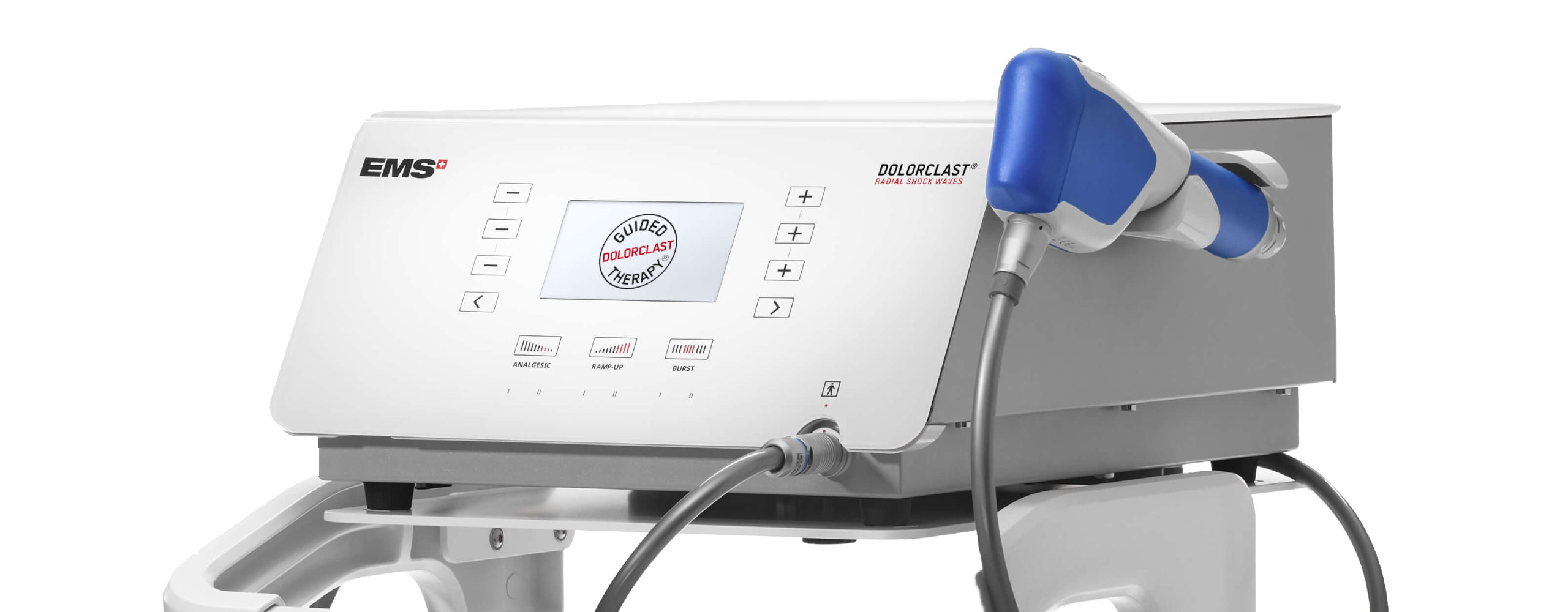
Your podiatrist may consider radial shockwave therapy for concerns such as:
Suitability depends on the condition and the findings of your assessment.
Depending on the condition, radial shockwave therapy may help to:
For selected chronic wounds, radial shockwave may be considered alongside wound assessment and standard wound care. The potential benefit varies with the type and cause of the wound.
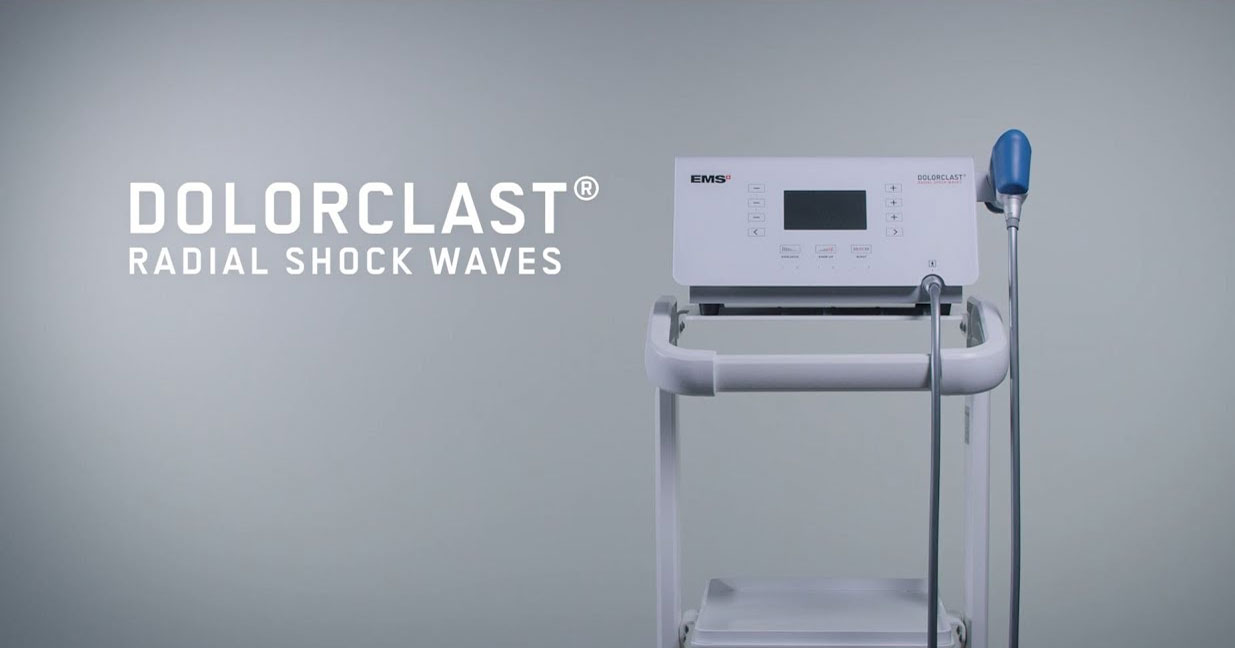
You may feel deep tapping or pulsing as the applicator delivers pressure waves. Sensitive or already painful areas can be uncomfortable. Your podiatrist can adjust the intensity throughout the session to keep it manageable. The area may feel tender afterwards, and this usually settles naturally.
Temporary tenderness, discomfort, redness or mild bruising can occur after treatment. Your podiatrist will assess your medical history, symptoms and the area being treated before recommending shockwave and will discuss any relevant precautions.
We first look at what may be contributing to your symptoms, then develop a plan around your needs and goals. Where appropriate, shockwave can be combined with rehabilitation exercises, activity advice, manual therapy, joint mobilisation, footwear recommendations, MLS laser therapy or orthotics.
A shockwave treatment appointment lasts 20 minutes. Your initial assessment is a separate appointment.
Some discomfort during treatment is expected, especially over sensitive areas. You may feel temporary soreness afterwards, often settling within 24–48 hours. With an acute injury, soreness or swelling may occasionally last longer.
An up-to-date list of your medications or a copy of your current prescription is helpful. You’re welcome to bring a family member or friend if you’d like support or help remembering what we discuss.
Bring a selection of your usual footwear, particularly the shoes you wear most often for work, exercise or everyday activities. This can help us assess how your footwear may be affecting your feet and movement.
If possible, wear shorts or comfortable clothing that allows us to see your knees and ankles. This helps us assess your alignment and movement and, if appropriate, carry out hands-on treatment.


